
Workplace Design Aligned with Tertiary Sector Energy Regulations
We design your workspaces in compliance with the requirements of the French Tertiary Decree, helping you meet regulatory obligations without disrupting your business operations.
We integrate tomorrow’s challenges into today’s projects by developing a strategy aligned with your vision. Sustainable certifications, material reuse, and carbon footprint reduction are key considerations throughout the process.
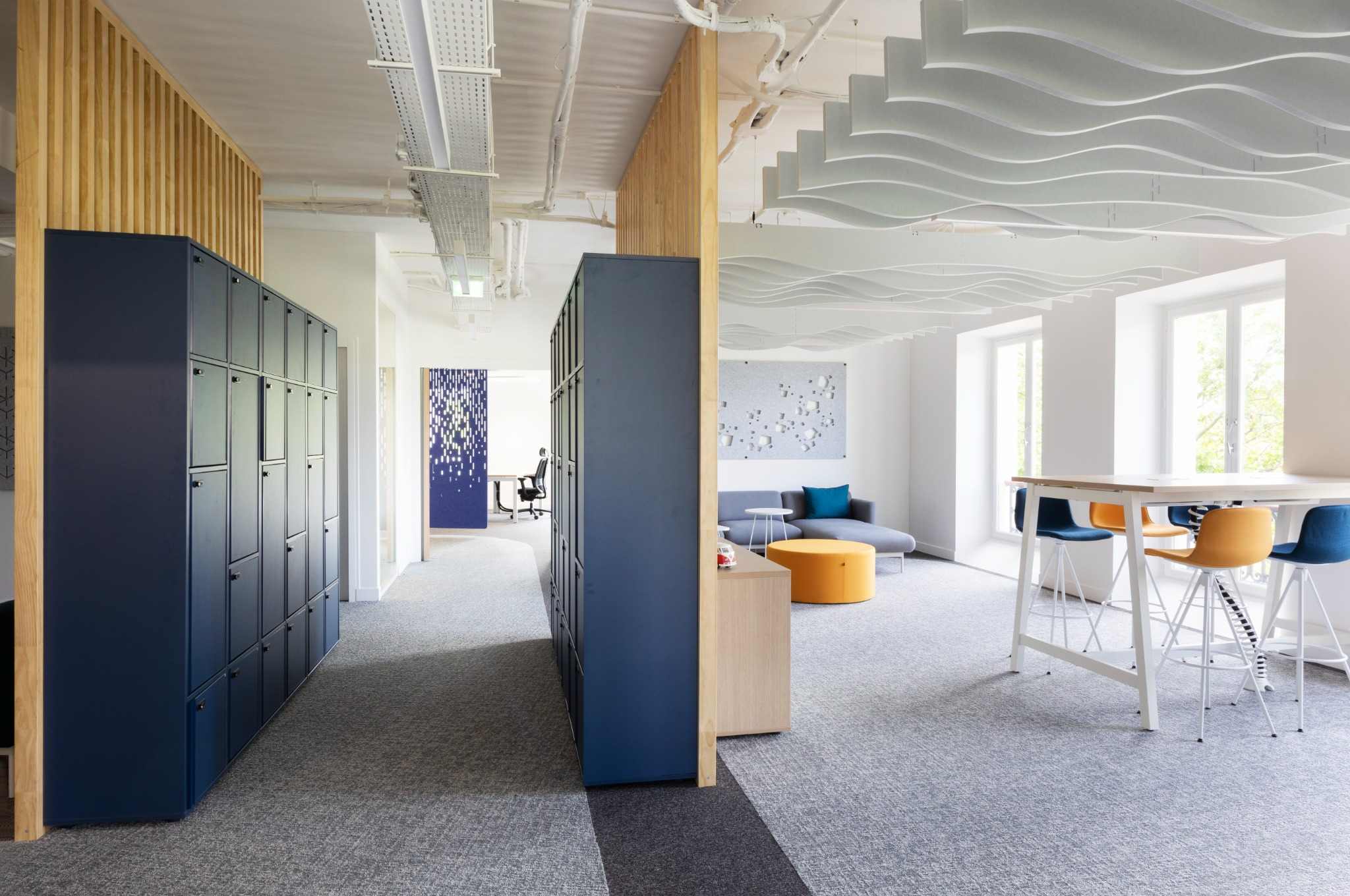
We design your workspaces in compliance with the requirements of the French Tertiary Decree, helping you meet regulatory obligations without disrupting your business operations.
From the very beginning of the design phase, we integrate thoughtful choices—optimized space planning, responsible material selection, and efficient technical solutions—to reduce the environmental impact of your project without compromising the final outcome.
We support you in obtaining or maintaining the environmental certifications best suited to your project. By mastering the requirements of each certification framework, we help maximize your chances of success.
We assess the energy performance of your spaces and implement practical solutions to reduce consumption, helping you achieve both cost savings and environmental responsibility.
We assess and work to reduce the carbon footprint of your project at every stage, from material selection to construction methods, ensuring a controlled and responsible environmental impact.
Before any new purchases are made, we identify what can be retained, refurbished, or repurposed within your new workspace, helping to reduce waste and avoid unnecessary costs.
We source and integrate high-quality pre-owned furniture and materials, giving existing elements a second life while enhancing the character and identity of your spaces.
We prioritize durable, recycled, and bio-based materials, carefully selected for their low environmental impact and their ability to meet the aesthetic and technical requirements of your project.
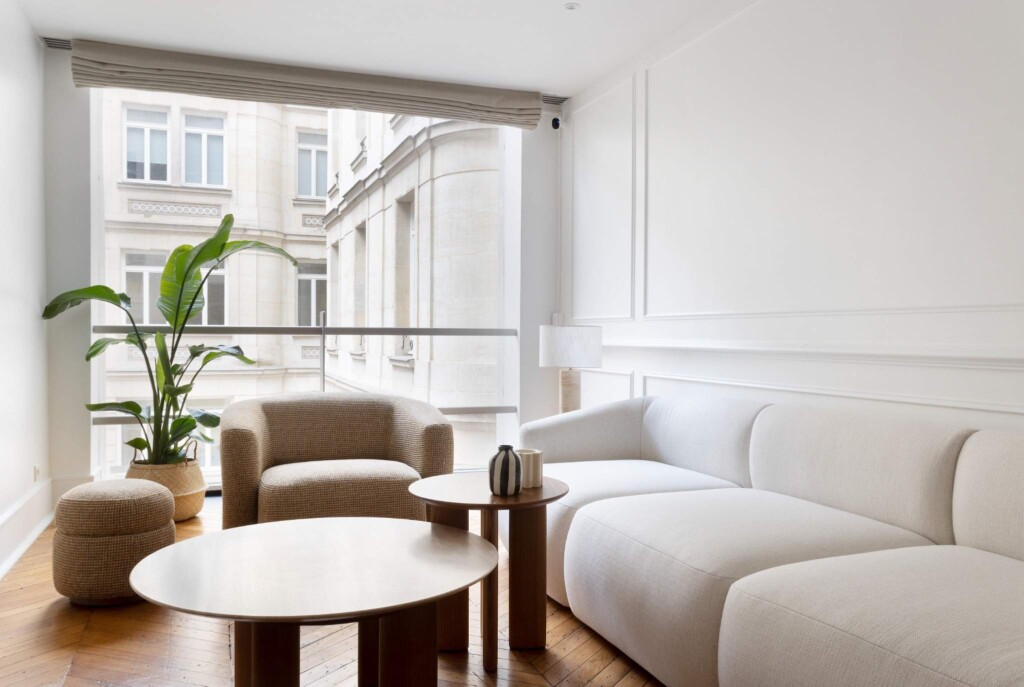
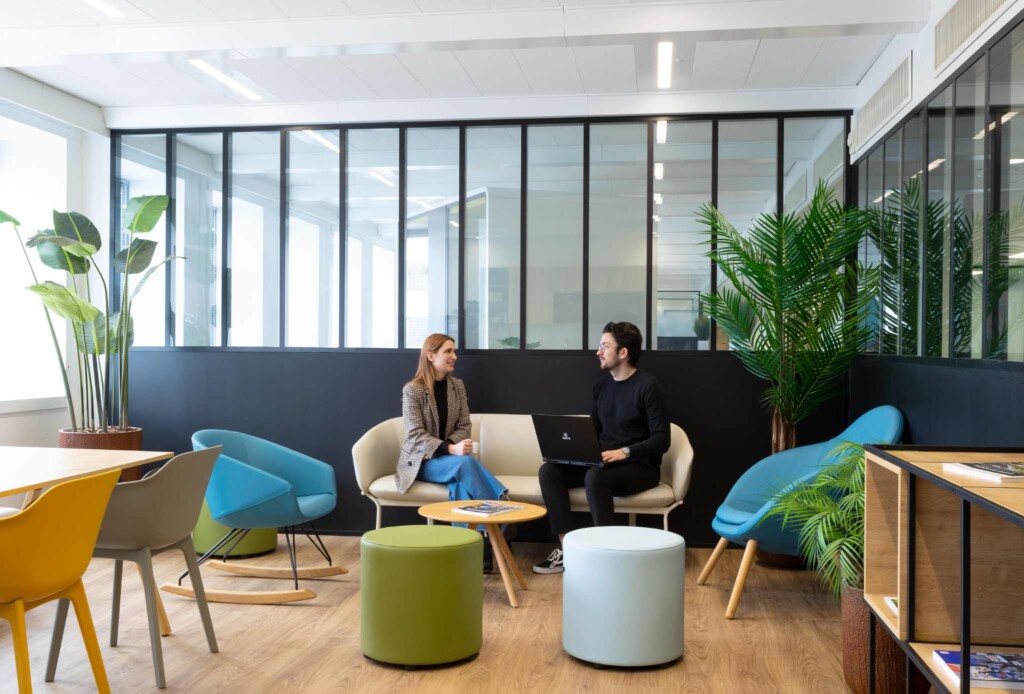
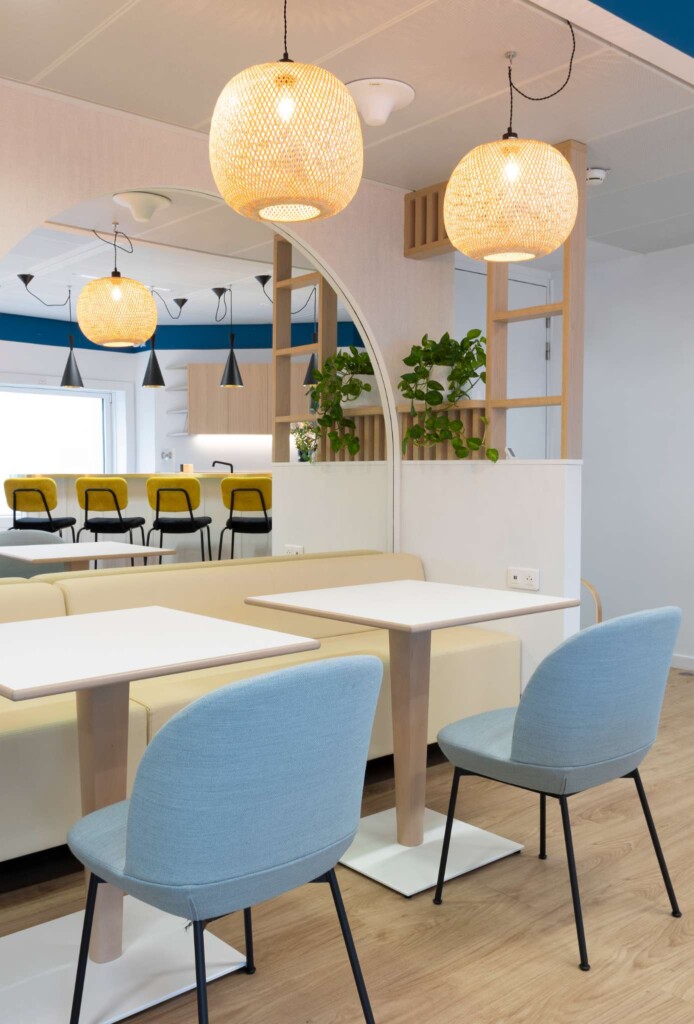
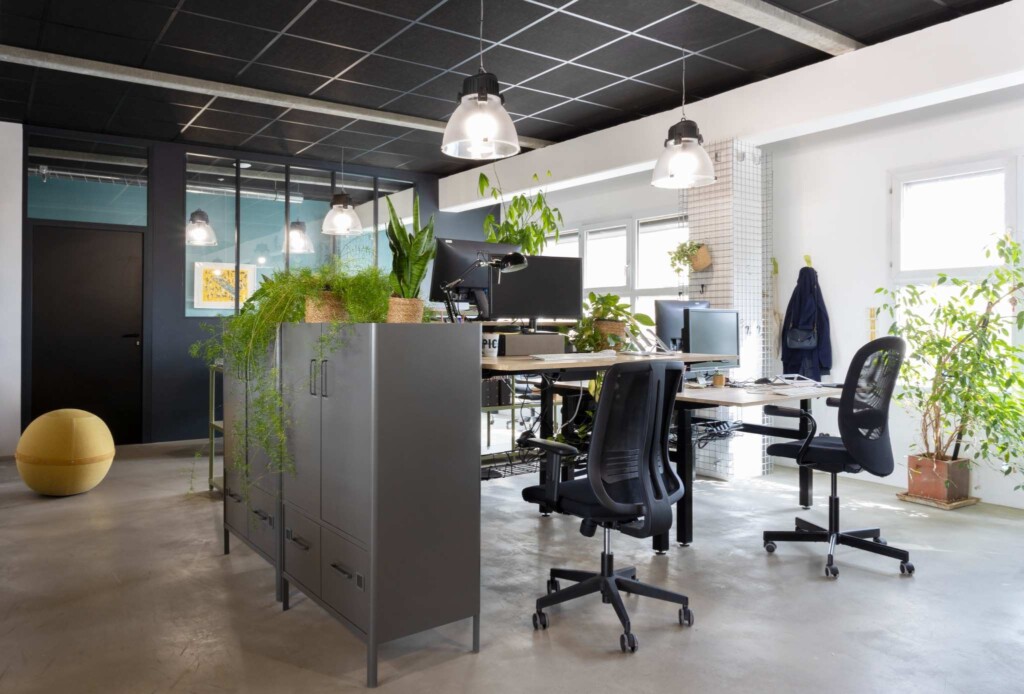
We incorporate natural greenery into the design of your spaces to enhance employee well-being, improve air quality, and create healthier, more welcoming work environments.
We plan for construction waste management from the outset and explore upcycling opportunities, transforming end-of-life materials into valuable new resources for your project.
Behind every sustainable project are better decisions and smarter trade-offs. We see sustainability as an operational responsibility, not just a statement of intent.
They trust us
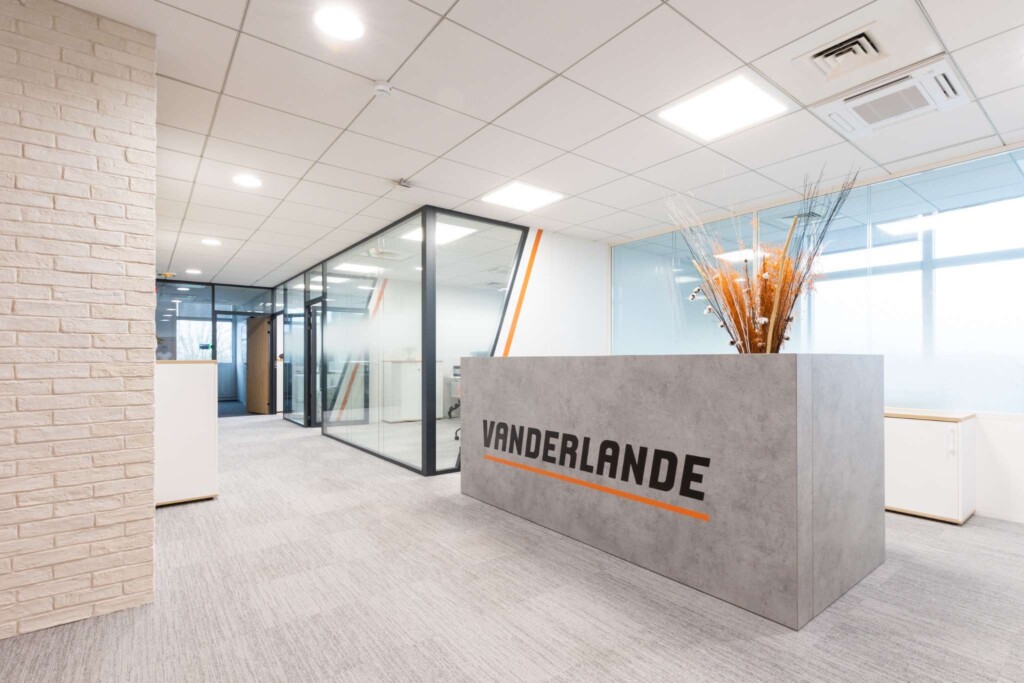
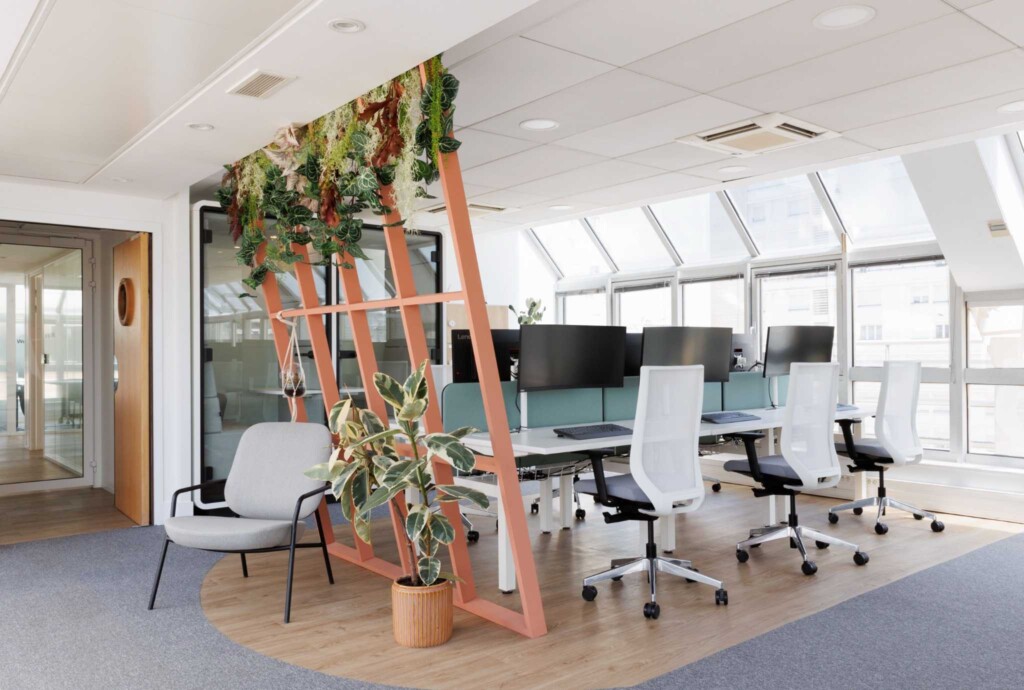
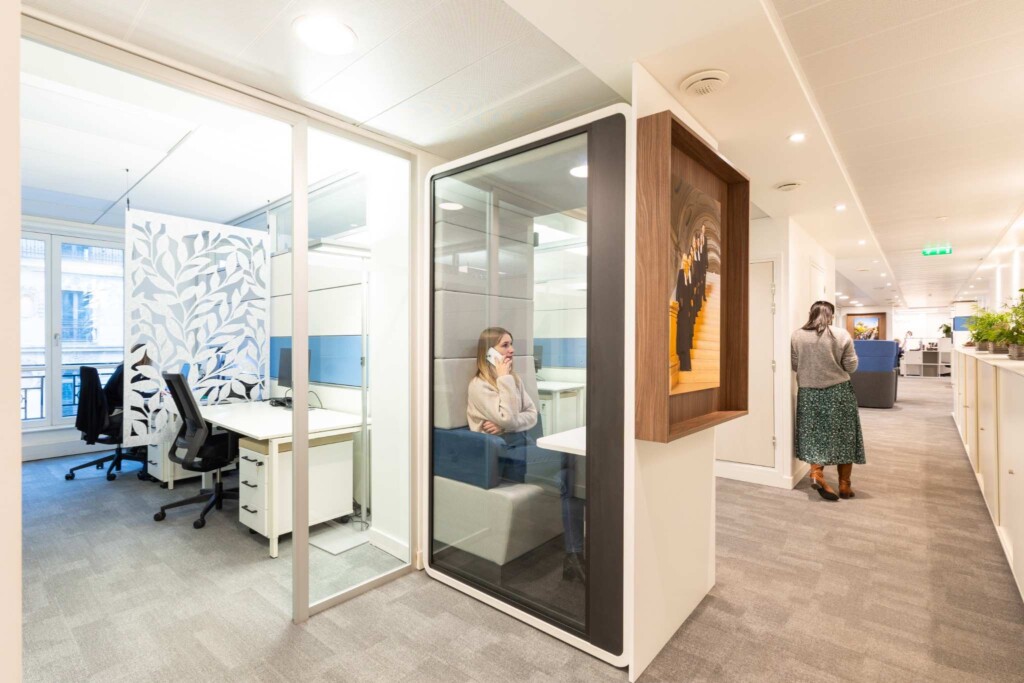
"The solutions were quite innovative, and we were particularly impressed by the quality of the materials you proposed"

"Several proposals were presented in response to our requirements. One of our key priorities was acoustic performance, and Ronnsquare fully delivered on that challenge, ensuring the level of sound insulation we were looking for"

"I quickly felt that Ronnsquare truly understood the project: not to disrupt or dismantle what already exists, but to create a more welcoming environment with additional space for employees"

"We were particularly impressed by Ronnsquare’s ability to propose solutions where all teams would feel at home and genuinely look forward to coming to the office"

Not necessarily. The true return on a project should be assessed not only through the initial investment but also through the savings generated over the following 5 to 15 years. Sustainable does not mean premium or expensive. A well-designed sustainable project can cost the same as—or sometimes even less than—a conventional one.
Absolutely. Sustainability is one component of the project, and it does not come at the expense of employee well-being—quite the opposite. In many cases, sustainable workplaces provide a better experience for users through improved air quality, increased greenery, and carefully selected materials.
Not necessarily. A low-carbon project starts with asking the right questions. The goal is not “What is the newest solution?” but rather “What solution minimizes the use of materials and energy?” Demolition and reconstruction can be one option, but they are far from being the only answer.
There are several measurable indicators that can demonstrate the environmental commitments of a project, including carbon footprint assessments, environmental certifications, energy consumption performance, and the rate of furniture and material reuse or recovery.


Speak with our experts and receive personalized recommendations tailored to your needs.
Thank you!
Your message has been sent.
Thank you for subscribing!
You will receive our latest news and exclusive content.